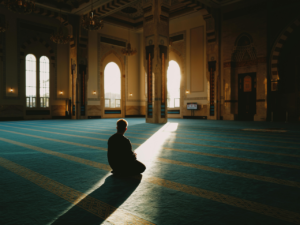
Why I am afraid of Ramadan
Bilal Naeem – Hiba magazine team writer As I get into the last Ashra of Ramadan, an unease begins to take hold, what will be

Showing 1–4 of 174 resultsSorted by latest
![[Dua Duo Pack] Azkaar Booklet + Istighfaar Booklet](https://hibamagazine.com/wp-content/uploads/2024/06/DUa-duo-Pack-300x300.jpg)
![[Tiles Set of 2] Dua For Entering and Leaving the House](https://hibamagazine.com/wp-content/uploads/2024/08/IMG-20240811-WA0008-300x300.jpg)
![[Magnets Set of 4] Floral Messages (Positive Thinking)](https://hibamagazine.com/wp-content/uploads/2019/03/Magnet-Set-Floral-300x300.jpg)
![[Double Delight Pack] Trouble with Ice Cream / Shopping, Dahlia the Dreamer & Dahlia's Alligator Diaries](https://hibamagazine.com/wp-content/uploads/2024/04/double-trouble-300x300.png)
Bilal Naeem – Hiba magazine team writer As I get into the last Ashra of Ramadan, an unease begins to take hold, what will be
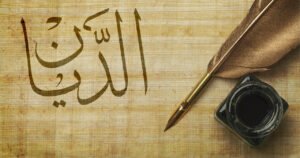
Ad Dayyaan is Allah’s (swt) beautiful name that has occurred in the Prophet’s (sa) Sunnah. It means that Allah (swt) is the Irresistible and All-Powerful Judge and Ruler who rewards or punishes people according to their deeds.
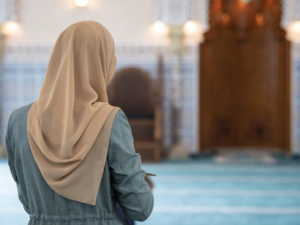
By Alia Moin (Certified Life Transition Coach, Hiba Team Writer) Ramadan brings with it a unique sacred energy. The Masaajid fill with light, and calm devotion. For many women, attending Taraweeh or Jummah prayers is not only an

War in Ramadan – Choosing Evil Over Good By Umm Amal – Hiba magazine Team Writer Ramadan is the epitome of mercy. The devils are chained, the doors

By Umm Amal – Hiba Magazine Team Writer Allah (swt) states in the Quran: “And [by] the soul and He Who proportioned it and inspired

By Rana Rais Khan – Founder and Editor-in-Chief Hiba Family Resource Centre Ibrahim at Tawejri, an Arab scholar has beautifully explained the five main root