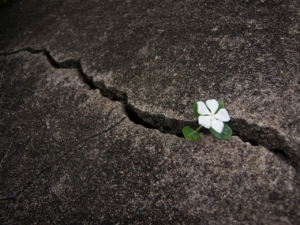
Depression is one of the most common psychological problems, affecting nearly everyone at any stage of their lives. It causes pain and suffering, not only to the one affected but also to the ones close to the sufferer. Serious depression can paralyze lives. One should distinguish the thin line between general sadness and serious depression.
Signs and symptoms of depression in teens:
- sadness or hopelessness
- irritability, anger or hostility
- tearfulness or frequent crying
- withdrawal from friends and family
- loss of interest or enjoyment in activities
- changes in eating and sleeping habits
- feelings of worthlessness and guilt
- lack of enthusiasm and motivation
- fatigue or lack of energy
- restlessness and agitation
- difficulty concentrating and making decisions
- thoughts of death or suicide
If you are a parent and see similar symptoms in your teenager, take action right away. The sooner the problem is addressed, the better. Depression in teens can look very different from depression in adults. The following symptoms of depression are more common in teenagers than in their adult counterparts:
- irritable, sudden outbursts or angry mood
- unexplained aches and pains
- extreme sensitivity to criticism
- withdrawing from some, but not all people (unlike adults)
What are some of the problems that depression can cause in teens? The effects of teenage depression go far beyond a melancholy mood. In fact, many problematic behaviors or attitudes in teenagers are actually indications of depression. Remember that untreated depression can lead to: problems at school, running away from home, drug and alcohol abuse, low self-esteem, eating disorders, Internet addiction, reckless behavior, violence or self-injury, which can lead to suicide.
The question remains – what are you to do if your teen is depressed? The first thing you should do, if you suspect depression, is to talk to your teen about it. Share your concerns with your teenagers in a loving and non-judgmental way. Let your teen know, what specific signs of gloominess you’ve noticed, and why they worry you. Then, encourage your child to open up about what he or she is going through. As any parent knows, getting teens (depressed or not) to talk about their feelings is easier said than done. If your teen claims nothing is wrong, but has no explanation for what is causing the depressed behavior, you should trust your instincts. Remember that denial is a strong emotion. Furthermore, teenagers may not believe that what they’re experiencing is the result of depression. If you see depression’s warning signs, seek professional help. Neither you nor your teen is qualified to diagnose or rule depression out, so see a doctor or psychologist who can.
Tips for talking to a depressed teen:
- Offer support. Let depressed teenagers know that you’re there fully and unconditionally for them. Hold back your queries but make it clear that you are willing to provide whatever support they need.
- Be gentle but persistent. If your adolescent shuts you out at first, be persistent. Talking about it can be very tough for teens. Be respectful of your child’s comfort level, while still emphasizing your concern and willingness to listen.
- Listen, don’t lecture. Resist your urge to criticize or pass judgment, once your teenager begins to talk. The important thing is communication. Avoid offering unsolicited advice.
- Validate feelings. Their feelings or concerns may seem silly or irrational to you, but don’t try to talk teens out of their depression. Simply acknowledge the pain and sadness they are feeling.
- Your job here is not over. Then it’s your responsibility to help your teenager out of depression. Your support is greatly needed at this point. It is now more than ever that your teenager needs to know that he or she is valued, accepted and cared for.
- Be understanding. Living with a depressed teenager can be difficult and draining. At times, you may experience exhaustion, rejection, despair, aggravation or any other number of negative emotions. During this trying time, it’s important to remember that your child is not being difficult on purpose. Be patient and understanding.
- Encourage physical activity. Encourage your teenager to stay active. Exercise can go a long way toward relieving the symptoms of melancholy, so find ways to incorporate it into your teenager’s day. Something as simple as walking or going on a bike ride can be beneficial.
- Encourage social activity. Isolation only makes gloominess worse, so encourage your teenager to see friends and praise efforts to socialize. Offer to take your teen out with friends or suggest social activities that might be of interest, such as sports, after-school clubs, etc.
- Stay involved in treatment. Make sure your teenager is following all treatment instructions and going to therapy. It’s especially important that your child takes any prescribed medication as instructed. Track changes in your teen’s condition and call the doctor, if depression symptoms seem to be getting worse.
- Learn about depression. Just like you would, if your child had a disease you knew very little about, read up on depression, so that you can be your own ‘expert.’ The more you know, the better equipped you’ll be to help your depressed teen.
- Encourage your teenager to learn more about depression as well. Reading up on their condition can help depressed teens realize that they’re not alone, and give them a better understanding of what they’re going through.
I would like to recommend a book by Aiadh Ibn Abdullah Al-Qarni entitled “Don’t be Sad.” This book contains verses from the Quran, sayings of Prophet Muhammad (sa), of his companions and of wise people throughout history. “Be happy, at peace, and joyful; and don’t be sad” is the essence of this book.
Post Views: 21



![[Activity Book] Ramadan Kiun Khas Hai?](https://hibamagazine.com/wp-content/uploads/2025/01/IMG_1409-300x300.jpeg)
![[Activity Book] Celebrate with Dahlia - Eid Special (1 Book)](https://hibamagazine.com/wp-content/uploads/2017/05/Celebrate-with-Dahlia-1-300x300.jpeg)
![[Activity Book] Rescue with Dahlia](https://hibamagazine.com/wp-content/uploads/2023/12/Rescue-300x300.jpg)