
Children
Eight Activities to Teach Your Kids to Get Along
Ruhaifa Adil presents ideas that you can use to help your children get along better and learn values of tolerance, sensitivity, anger control, patience and cooperation along the way.

Ruhaifa Adil presents ideas that you can use to help your children get along better and learn values of tolerance, sensitivity, anger control, patience and cooperation along the way.

“Hiba” interviewed some notable personalities regarding their own marriages and the advice they can offer to others, based on their experiences. Here are their answers.
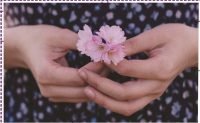
S. N. Jangda presents some handy tips for those who want to care for their hands using things that are readily available.

Blessed with intellect and wisdom, it struck Umm Sulaym (ra) to request the Prophet (sa) to accept Anas (ra) in his service. The mother desired the best for her son. What could be better than learning directly from the Prophet (sa) while also serving him? The Prophet (sa) accepted this young man who grew up with the Qur’an and Sunnah.
When Allah (swt) sees goodness in someone’s heart He guides them to the truth and opens up pathways of much subsequent goodness. Same happened with Abu Talhah (ra) and Umm Sulaym (ra).
Umm Sulaym (ra) was blessed with beauty, intellect, good character, fortitude and independent thinking. Her distinguishing trait, however, was her love for Islam and its defence.

Being parents, we must be careful about upbringing these precious pearls, so that they can become coolness of our eyes Insha’Allah. Ayesha Shahzad shares some habits to inculcate in children to make them responsible and content in their lives.

You cannot always be a people pleaser. Being helpful is nice and right indeed, but letting yourself down in order to make others happy is not the right thing to do. Be firm, not defensive or overly apologetic; raise yourself, raise your esteem, advises Ayesha Salam

Umm Maabad (ra) asserts that she was able to give such an illustrious description of the Prophet (sa) because being a woman she was more observant than men. She saw the Prophet (sa) only once and observed all his distinguishing features. Why is it that when we meet people our focus is on their flaws and not their excellences?
Her real name was Atiqah and she was married to a man called Abu Maabad. Umm Maabad (ra) lived with her husband on the outskirts of Makkah in an inhabited place. Her husband was a shepherd; their livestock was their only source of livelihood. Living in a deserted area, Umm Maabad (ra) and her husband served the many caravans travelling on this route. Little did they know that one day Allah (swt) will reward this unknown couple in a way that many would wish that it was them.